Whether you have multiple stakeholder engagement practitioners on your team, work with engagement contractors, or have a single person communicating with everyone, you need to maintain consistent stakeholder engagement messaging across all your communication channels.
Consistent messaging impacts how stakeholders and communities perceive your projects and their overall trust in your organization. In contrast, mixed messaging can confuse stakeholders and communities, breaking that vital trust. But how do you keep your messaging consistent?
4 tips for keeping your stakeholder engagement messaging consistent
1. Develop your key messages early on
As we discussed in our tips for improving stakeholder engagement, it is essential to develop your key messages early.
To define your key messages, you'll need to work with your team to determine your engagement goals and then choose and develop the messages that will help you reach those goals. Then, everyone from leadership onwards needs to commit to using the selected messages.
Tip: Your stakeholders and communities might not need the same level of communication or even the same messages. To help you determine who to engage most and who may require more in-depth messaging, we suggest conducting a stakeholder mapping exercise with your team.
2. Keep all your stakeholder information logged into Stakeholder Relationship Management (SRM) software, so you can easily track your messaging
Having access to accurate and complete records of all your engagements with stakeholders and communities will help you easily track your messaging to ensure alignment with your messaging goals.
The most effective tool for managing stakeholder engagements and information is Stakeholder Relationship Management (SRM) software. This software is designed to manage all your stakeholder relationships and communications with them.
An SRM ensures that your stakeholder information is organized, accessible, searchable, and easy to understand, allowing you to keep track of everything communicated by your teams and stakeholders. With everything logged and accessible, you always know if your key messages are being used (this can even help you during team planning sessions to identify areas you might need to improve your messaging).
Learn more about stakeholder relationship management software →
3. Track how your teams are sharing messages with the help of your SRM
To take your messaging to the next level, you should track "who on your team said what and when" in every engagement with stakeholders and communities. This keeps your teams and stakeholders accountable for everything communicated, making it easy to track and see what's happening in your engagements.
This will help your teams with any stakeholder meetings or touchpoints, as everyone has access to all the messages communicated to each stakeholder. You can then use these records to learn about your stakeholders, understand their perspectives, and decide if your messages are being delivered effectively by you and your teams or if there's room for improvement.
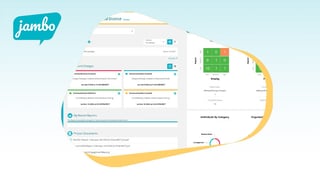
In an SRM like Jambo, users can simply click into a stakeholder's profile before a meeting to gain a quick update on everything that has been communicated to that stakeholder (and everything that has been transmitted back).
With everything organized and a clear record of who on the team logged each engagement, you'll always know who to go to with questions. It's also easier to identify opportunities to work with your team to streamline your organization's messaging before the next contact.
With everyone updated and accountable, you can work together more collaboratively to identify gaps in your messaging consistency, opportunities to communicate messages more clearly, and areas for improvement.

4. Make it easy for your stakeholders to communicate with you and your team
An essential part of effective stakeholder engagement is ensuring your stakeholders and communities know how to reach you and your team with their perspectives, comments and concerns.
You need this feedback to help you know if you're communicating the right messages. It also allows you to decide when to change your messaging or overall engagement approach.
For example, suppose your stakeholders frequently ask specific questions that you thought you'd already answered or bring up incorrect information about your project. In that case, this presents an opportunity to refine and strengthen your key messages, resulting in more consistent and clear messaging.
Expert tips on how to improve your engagement
Successfully delivering consistent messages to your stakeholders and communities will require a team effort. To set your team up for success and help you engage effectively, we've developed a free downloadable resource to share with your team, featuring expert advice from Kofyshka from Dialogu on engaging in today's world.