The UK local authorities, such as councils and combined authorities, have a duty not only to serve their communities but also to involve them in decision-making. Public consultation is the way to make sure residents' voices are heard on issues that matter, from local planning and services to policies and development projects. When done well, public consultation leads to better decisions, more trust, and stronger communities. However, running a fair and open consultation can be challenging. Local authorities must reach a wide range of stakeholders, track feedback, and demonstrate that everyone's input has been considered. This takes time, organisation, and the right tools.
In this guide, we'll explain what public consultation involves for the UK local authorities, why it matters, and how to make it effective. We'll share practical steps and show how using a solution like Jambo can help government teams run consultations that are open, thorough, and deliver real value to your community.
What is public consultation?
Public consultation is a conversation between public bodies and the communities they serve. Whether it's a council planning a new development or a combined authority reviewing a local service, public consultation provides people with a way to have their say on decisions that will affect them.
A public consultation is designed to include as many voices as possible, ensuring that decisions aren't made in isolation or behind closed doors. Instead, the doors are opened, sometimes just slightly, sometimes completely, and communities, stakeholders, and individuals are called upon to give their feedback. This approach brings together a broad spectrum of views, surfaces concerns and ideas, and helps public bodies avoid overlooking important perspectives.
If feedback gathered during a public consultation is considered with genuine intent, it can influence, adjust, or even reshape the proposed actions or policies, making it a powerful tool for inclusive, transparent, and accountable decision-making.
Activities that don't count as public consultation
Not all public engagement activities count as public consultation. Purely informative actions, such as advertising, newsletters, website postings, or public exhibitions, without a feedback mechanism, are one-way communications that don't give the public any real chance to contribute.
True consultation must happen before decisions are final, so post-decision announcements, "rubber-stamping" meetings, or rushed, under-promoted comment requests also fall short. Similarly, overly restrictive surveys or brief timeframes that don't allow for thoughtful feedback turn consultation into a "check-the-box" exercise rather than meaningful engagement.
Additionally, some activities, such as partisan campaigning, routine information requests, or private lobbying, are not consultations at all. UK local authorities are not required to consult when decisions are strictly dictated by law, have been previously and thoroughly consulted on, or allow for no flexibility.
What are the forms of public consultation for UK local authorities?
Public consultation can take many forms, allowing the UK local authorities and other public bodies to involve residents, community stakeholders, and service users in decision-making. Choosing the correct form or combination of forms ensures your consultations are effective and inclusive.
Statutory consultations
Certain decisions require government consultation by law. These statutory government consultations are commonly used when making changes to public services, local plans, or budget decisions.
For example:
- Local authorities must consult on matters relating to education, social welfare, commercial regulation, and planning applications.
- Under the Local Government Act 1999, councils are legally bound to consult on the value of their services to ensure economy, efficiency, and effectiveness.
- Public bodies must consult when promised, when there is an established precedent, or where fairness demands it.
Open consultations
The UK Government regularly lists open consultations on gov.uk, covering topics from industrial strategy to sentencing guidelines. Open consultations allow anyone with an interest to share their views.
Examples include:
- Online surveys and questionnaires
- Public meetings or exhibitions
- Written submissions (by email or post)
Have your say
"Have your say" is the medium Councils use to empower residents, businesses, and stakeholders to directly influence local decision-making. Whether it's through commenting on consultations, signing petitions, joining public meetings, sending feedback, or requesting information, "have your say" puts the community at the centre of council activities.
Have your say" means anyone who lives, works, or studies in a council area can:
- Participate in current consultations and view results of past ones
- Make a complaint or submit a compliment about council services—schools, social care, infrastructure, etc.
- Comment at public meetings or create and sign petitions to raise issues directly with decision-makers
- Contribute to budgeting, planning, regeneration, and more across dedicated engagement hubs
Citizens' assemblies
Citizens' assemblies bring together randomly selected individuals who are broadly representative of the population. Over several days, participants learn about an issue, discuss it in depth, and make recommendations. Citizen assemblies have been used in the UK at local levels to discuss topics such as social care funding, climate change, and town centre regeneration.
Co-design and co-production
Co-design involves service providers and service users working together to design services or policies. Co-production goes a step further, with users helping deliver as well as design services. This collaborative approach can empower communities and improve the relevance of local services, for example, through care planning in the NHS or community-led regeneration.

What are the stages of public consultation?
Planning a successful public consultation for UK local authorities follows a straightforward process, usually divided into five main stages. Each stage ensures that the consultation period is meaningful, inclusive, and results in measurable impact.
Stage 1: Decide who to consult
Begin by identifying all relevant individuals, groups, and stakeholders affected by the proposal: map partners, community organisations, demographic groups, and underrepresented voices. Planning for inclusion from the outset will ensure broader engagement and fair representation.
Stage 2: Decide what to consult on
Clearly define the purpose and scope of the consultation. Focus on which decisions require input and which information is needed. Create clear, purposeful questions, both quantitative and qualitative, to help achieve helpful feedback.
Stage 3: Decide how to consult
Choose the consultation methods best suited to your target audience. Options include online surveys, public meetings, focus groups, phone interviews, and written submissions. Consider accessibility and tailor your approach to engage different communities effectively throughout the consultation period.
Stage 4: Start the consultation
Launch the consultation, ensuring it's accessible, transparent, and well communicated. During the consultation period, maintain honest communication, offer multiple ways for people to contribute, and keep participants informed about timelines, objectives, and next steps.
Stage 5: Evaluate and use the consultation results
Once the consultation period ends, carefully analyse the feedback collected. Use quantitative tools and qualitative analysis to identify key themes and actionable insights. Communicate findings back to participants, explain how their input has influenced decisions, and reflect on the process for future improvement.
Explore our public consultation toolkit to learn more about the stages of public consultation →
How to design an effective public consultation for UK local authorities
Designing an effective public consultation for UK local authorities is essential for building trust, ensuring meaningful participation, and informing better policymaking. An effective government consultation requires thoughtful planning, a clear purpose, and a focus on both process and outcome. Below is a practical framework for designing successful consultations, with particular attention to making the consultation period impactful and accessible.
1. Assess whether consultation is needed
Before launching any consultation, check if it's necessary. Review whether the feedback or data you seek already exists; your council, partner organisations, or national bodies may have recently conducted similar research. Over-consulting or repeating similar exercises can lead to consultation fatigue, frustrate residents, and waste valuable resources.
It's also important to involve councillors, senior officers, and communication teams from the beginning. This not only prevents duplication but also helps create advocates for your process, supports a culture of evidence-based policymaking, and ensures your activities are coordinated strategically.
2. Set clear objectives
Every public consultation should begin with well-defined objectives. Determine what you hope to achieve and what specific feedback is needed. Objectives guide every subsequent stage, from selecting the right tools to analysing responses to deciding how long the consultation period should be. Be transparent with your audience about what can and cannot be influenced.
3. Identify who to consult with
Effective consultations reflect the community affected. Map your stakeholders, those who are impacted, interested, or able to influence outcomes. Pay special attention to seldom-heard groups, such as young people, ethnic minorities, low-income households, or residents with different abilities. The scale of your consultation should be proportionate to the impact of your proposal.
4. Choose the proper methods and tools
Don't rely solely on written consultations or online surveys. Consider using innovative tools, such as public consultation software, social media engagement, in-person events, and community partnerships to broaden reach.
Select methods that best fit both your audience and your objectives:
- Quantitative methods (e.g., surveys, questionnaires) help answer "how many?" and "what?" questions, providing measurable data.
- Qualitative methods (e.g., focus groups, interviews, workshops) enable deeper exploration of "why?" and "how?" questions.
5. Plan a suitable consultation period
The consultation period should allow enough time for all voices to be heard and for meaningful participation. While the length may vary depending on complexity and statutory requirements, best practice is to plan for six to twelve weeks. Avoid running consultations during holidays and election periods where possible. Allow extra time when stakeholders meet infrequently or when additional publicity is needed to reach target groups.
6. Ensure accessibility and inclusivity
Consultations must be accessible to every relevant group.
This means:
- Providing information in plain language and offering translations if required
- Ensuring consultation venues, physical or digital, are accessible
- Using various channels to reach different audiences (including those with limited internet access)
- Safeguarding personal data and clarifying how responses will be used
7. Publicise widely and engage proactively
Engagement is critical for robust participation. Use diverse communication channels, such as local media, social media, email, community events, and trusted intermediaries, to ensure people know about your consultation and understand why their input matters.
8. Collect and analyse feedback transparently
Once the consultation period closes, analyse feedback systematically using both quantitative and qualitative methods. Consultation software can streamline data management and analysis. Take all feedback seriously, regardless of its source or tone.
What happens after a consultation?
Successfully concluding a public consultation is only the beginning; the real impact comes from how you communicate, evaluate, and act on the feedback you have received.
Communicating the results
Once your consultation period ends and results have been analysed, it's important to share your findings with both internal teams and the wider public.
Develop clear key messages that explain:
- Who you consulted
- The methods you used
- A summary of the feedback received, including significant themes and opinions
Transparency is vital. Explain how the information gathered will guide your next steps, and be open about any practical reasons you cannot address every suggestion. Make results accessible to everyone by publishing them in suitable formats and, ideally, by creating or updating a consultation section on your website.
Let participants and the community know about any changes resulting from the consultation; this is crucial for building trust and encouraging future engagement.
Responding and reporting
Government departments and public bodies should demonstrate how consultation responses have shaped decisions. According to Cabinet Office guidance, the consultation response should be published within 12 weeks of the end of the consultation period, wherever possible. Publicise your response widely, so consultees know their voices have been genuinely considered.
These responses typically include:
- A summary of the views gathered
- Conclusions and actions taken
- Justifications for any issues raised that could not be addressed
Evaluating your consultation
Evaluation should be an integral part of your process. Ask what you might do differently next time and consider who else could benefit from your learning. A thorough evaluation measures your success and also highlights opportunities to improve future consultations.
Reflect on:
- Whether your objectives were achieved
- The effectiveness of your chosen methods
- Whether you reached your response targets and key groups
- The level and depth of participant engagement
- If participants understood the process and received adequate feedback
- Any lessons learned or surprises encountered
Impact and next steps
Effective consultations should drive meaningful change. Show how public input influenced your decision-making, service delivery, or policy. Even if some suggestions cannot be implemented, clarity about your reasoning fosters respect and credibility.
Keep participants informed of progress and any further steps, and ensure your actions align with the communicated plan.
By following through after the consultation period, you demonstrate accountability, close the feedback loop, and lay the foundation for ongoing engagement and trust with your community.
What are some public consultation tools?
.png?width=537&height=537&name=Public-Consultation_Tools%20(2).png) Choosing the right tools and methods is crucial for a successful public consultation. The approach you take will affect not only who participates, but also the quality and depth of feedback you receive. Today, councils and authorities have a wide range of options, from tried-and-tested techniques to innovative consultation software, ensuring every voice can be heard.
Choosing the right tools and methods is crucial for a successful public consultation. The approach you take will affect not only who participates, but also the quality and depth of feedback you receive. Today, councils and authorities have a wide range of options, from tried-and-tested techniques to innovative consultation software, ensuring every voice can be heard.
Surveys and questionnaires
Surveys are a cornerstone of most consultations, offering a straightforward way to collect feedback from a broad audience. These can be distributed online using software, by post, or in person. Surveys allow for both quantitative (e.g., rating scales, yes/no questions) and qualitative (e.g., open-ended responses) insights. Online surveys are ideal for reaching large numbers of people quickly and efficiently.
Public meetings and workshops
Bringing people together, whether in town halls, community centres, or online webinars, allows for real-time discussion. These forums enable local residents to ask questions, share ideas, and engage directly with decision-makers. Workshops can encourage collaboration and deeper exploration of complex issues.
Focus groups and interviews
Smaller group or one-on-one formats provide opportunities to examine issues in greater depth. Focus groups are ideal for exploring sensitive topics, while interviews allow participants to share their experiences in a more private, supportive environment.
Public consultation software
The rise of digital technology has transformed public consultation. Public consultation software, like Jambo, streamlines the entire consultation process from centralising consultation data to analysing responses and producing clear reports. These tools help manage complex consultations, ensure data security and GDPR compliance, and make engagement more accessible for hard-to-reach groups.
Social media and digital engagement
Platforms such as Facebook, X (formerly Twitter), and Instagram open up new avenues for public input, particularly among younger residents. Social media campaigns, interactive polls, and virtual live town halls can help reach broader, more diverse audiences, often in real time.
Written submissions and feedback forms
For more formal consultations, public bodies often seek written submissions or detailed feedback through forms. These methods give participants the space to provide thoughtful, comprehensive views and are best for gathering in-depth opinions on complex proposals.

How to manage public consultation data for UK local authorities
Even a well-designed consultation can become difficult to manage once responses start coming in. A 12-week planning consultation for a mid-sized borough might generate hundreds of responses across online surveys, written submissions, public meetings, and email, each of which needs to be logged, categorised, and traced back to a specific stakeholder or community group.
Without a dedicated system, most teams fall back on spreadsheets and shared inboxes. That works at a small scale, but it creates real problems at the reporting stage: manually cross-referencing responses, identifying themes across qualitative feedback, and demonstrating to decision-makers (and the public) that every voice was genuinely considered.
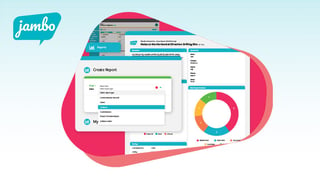
This is where purpose-built public consultation software makes a practical difference, and Jambo is designed specifically for this kind of work. It provides UK governments, such as councils and combined authorities, with a centralised platform to manage the entire lifecycle of public consultations.
With Jambo, you can:
- Centralise all consultation data
Bring every record of interactions, submissions, and feedback into a single, secure, accessible system, eliminating silos and scattered spreadsheets.
- Understand and manage key stakeholders
Clearly categorise key contacts like stakeholders, statutory consultees, community groups, and partners, so you always know whom you're engaging, their interests, and their history with your organisation.
- Track multi-channel engagement
Document and monitor engagement across email, meetings, events, phone calls, and digital survey platforms, ensuring no interactions are missed.
-
Monitor performance and demonstrate impact
Analyse engagement data, track key metrics, measure project progress, and generate comprehensive reports with ease.
- Demonstrate adequate consultation with confidence
Maintain a complete, auditable history of engagement activity, making it simple to evidence compliance, communicate outcomes transparently, and build public trust.
By centralising department- or council-wide consultation data and ensuring it can be effectively analysed and reported on, Jambo empowers local government to deliver open, inclusive, and effective consultations that meet both statutory duties and public expectations.
If you're starting a new public consultation and need a more structured, auditable way to manage team responsibilities and data, speak to the Jambo team today to see how Jambo can help you deliver efficient and transparent consultations with confidence.