Stakeholder management challenges are a reality for every project, regardless of size or industry. From conflicting priorities and shifting requirements to communication breakdowns and a lack of stakeholder engagement, these obstacles can threaten timelines, budgets, and outcomes.
This article examines the most common challenges in stakeholder management. It provides actionable strategies for overcoming them, including effective stakeholder engagement, preventing miscommunication, managing scope changes, resolving conflicting interests, and fostering lasting trust for project success.
What are the most common challenges in stakeholder management?
Effectively managing stakeholders is essential for the success of any project, but it's rarely straightforward. What are some common challenges in stakeholder management, and why do they consistently present obstacles for project teams across industries? Here are some of the challenges with stakeholder management:
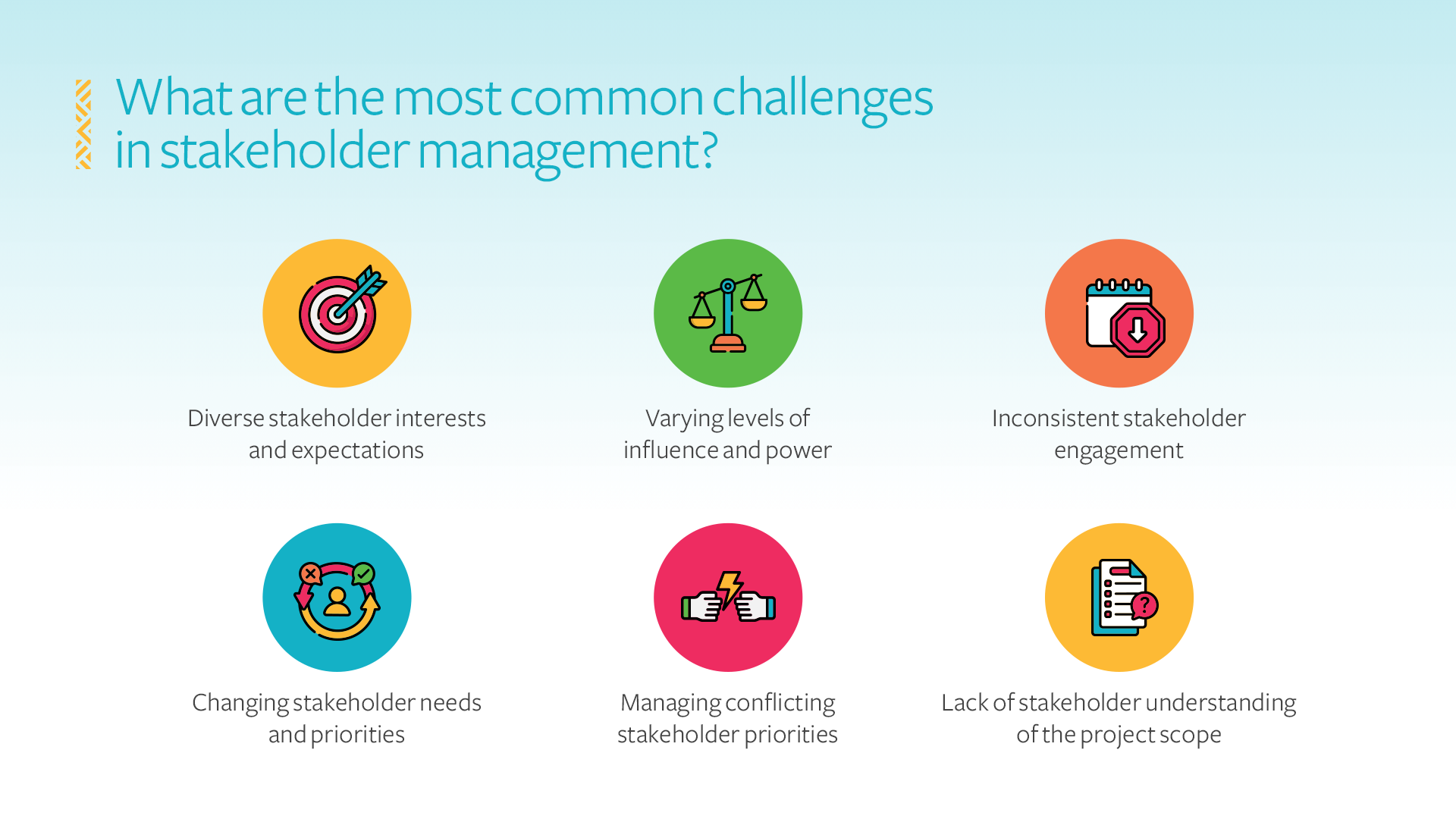
1. Diverse stakeholder interests and expectations
One of the most common challenges in stakeholder management is navigating the diverse interests, priorities, and expectations that various stakeholders bring to a project.
In major government, infrastructure, or mining initiatives, stakeholders include government agencies, regulatory authorities, contractors, local communities, environmental groups, investors, and the operational workforce. Each group measures project success differently. Government officials may prioritize regulatory compliance and public benefit, and community groups may be most concerned with environmental impact and safety. At the same time, investors and project partners might focus on cost efficiency, timelines, and long-term returns. Although beneficial for comprehensive project perspectives, this diversity often leads to competing demands and occasionally conflicting objectives.
Another complicating factor is sheer numbers. The more stakeholders involved, the more directions the project team can be pulled in multiple directions. Group decisions can become sluggish, especially when managing competing interests without a clear decision-making framework in place. If stakeholders feel their needs are overlooked, this increases the risks of scope creep, diluted accountability, and project delays.
2. Varying levels of influence and power
Not all stakeholders hold equal power or influence over a project, yet each has the potential to significantly impact outcomes, sometimes in ways that aren't immediately apparent. Senior stakeholders such as project sponsors, regulatory officials, or senior government leaders often have the authority to shift project direction, alter priorities, or make decisions that influence scope, budget, or timelines. Meanwhile, stakeholders like on-site contractors, operational staff, or local interest groups may have less formal authority but provide crucial operational knowledge or insight into risks and opportunities.
Project managers need to ensure that the voices of lower-influence but high-relevance stakeholders are heard, particularly when their expertise identifies key project risks or opportunities for improvement. At the same time, they need the diplomatic skills to negotiate and balance the often competing demands of highly influential stakeholders, and to push back when those demands threaten to cause scope creep, budget overruns, or missed regulatory requirements.
3. Inconsistent stakeholder engagement
Project teams often encounter inconsistent levels of stakeholder engagement across various stages of the project lifecycle. Stakeholders may not be actively involved from the outset, or their interest may decline as the project progresses, especially on lengthy projects. For example, some regulatory agencies or community groups may only participate during public consultations or environmental review phases, then disengage until an issue emerges.
This pattern results in missed feedback opportunities, misaligned expectations, and often last-minute changes that disrupt project delivery, scope, and resource allocation. Stakeholders who disengage early or mid-project may only become vocal if dissatisfied with outcomes or when their needs are unmet, making it difficult for the project team to adapt without incurring delays or additional costs.
Explore ten tips to improve how you engage with your stakeholders →
4. Changing stakeholder needs and priorities
Stakeholder requirements are dynamic and often shift in response to evolving regulations, economic fluctuations, technological advancements, competitive pressures, or unforeseen events. As projects progress, stakeholders may gain new insights, encounter new risks, or respond to changes in the broader environment, resulting in revised expectations or new demands.
This fluidity can impact project deliverables, timelines, and budgets. For instance, new environmental regulations or community concerns may prompt stakeholders to request additional environmental mitigation measures in a major infrastructure project. In the natural resources sector, a mining project might need to incorporate new environmental protection requirements mid-project due to changes in government policy or the introduction of stricter legislation. These evolving needs often risk scope creep, especially if changes are introduced without adequate adjustments to project resources, schedules, or cost estimates.
5. Managing conflicting stakeholder priorities
Different stakeholders frequently attach varying levels of importance to issues such as project cost, timeline, environmental impact, and quality outcomes. For example, investors and funding agencies may focus on cost efficiency and timely delivery. At the same time, community representatives or environmental groups might be primarily concerned with minimizing environmental disruption or ensuring comprehensive safety and compliance measures are met.
Balancing these competing interests requires significant negotiation and diplomatic skill from the project manager. Conflicts are common. For example, when regulatory bodies require additional reviews that extend timelines, clashing with the interests of commercial stakeholders focused on early completion, or when community stakeholders demand added mitigation measures that increase costs and stretch resources. Influential stakeholders may have entrenched positions, making consensus difficult to achieve, and competing interests can sometimes relate to departmental ambitions or individual professional motivations.
6. Lack of stakeholder understanding of the project scope
A persistent challenge in stakeholder management is ensuring that all stakeholders have a clear and shared understanding of the project's scope. Stakeholders' knowledge of a project's technical, regulatory, or logistical complexities is often limited. This superficial understanding can lead to unrealistic expectations, misunderstandings about deliverables, and ongoing scope creep.
For example, in extensive infrastructure or resource projects, a regulator or community representative may only see the headline goal (such as "reduce environmental impact") without fully grasping the technical trade-offs or timeline implications required to meet those demands. This disconnect often leads to dissatisfaction when teams push back or undergo repeated rework and adjustment cycles, as stakeholders realize the first deliverable doesn't match their (usually unspoken or evolving) expectations.
How can I prevent stakeholder management challenges?
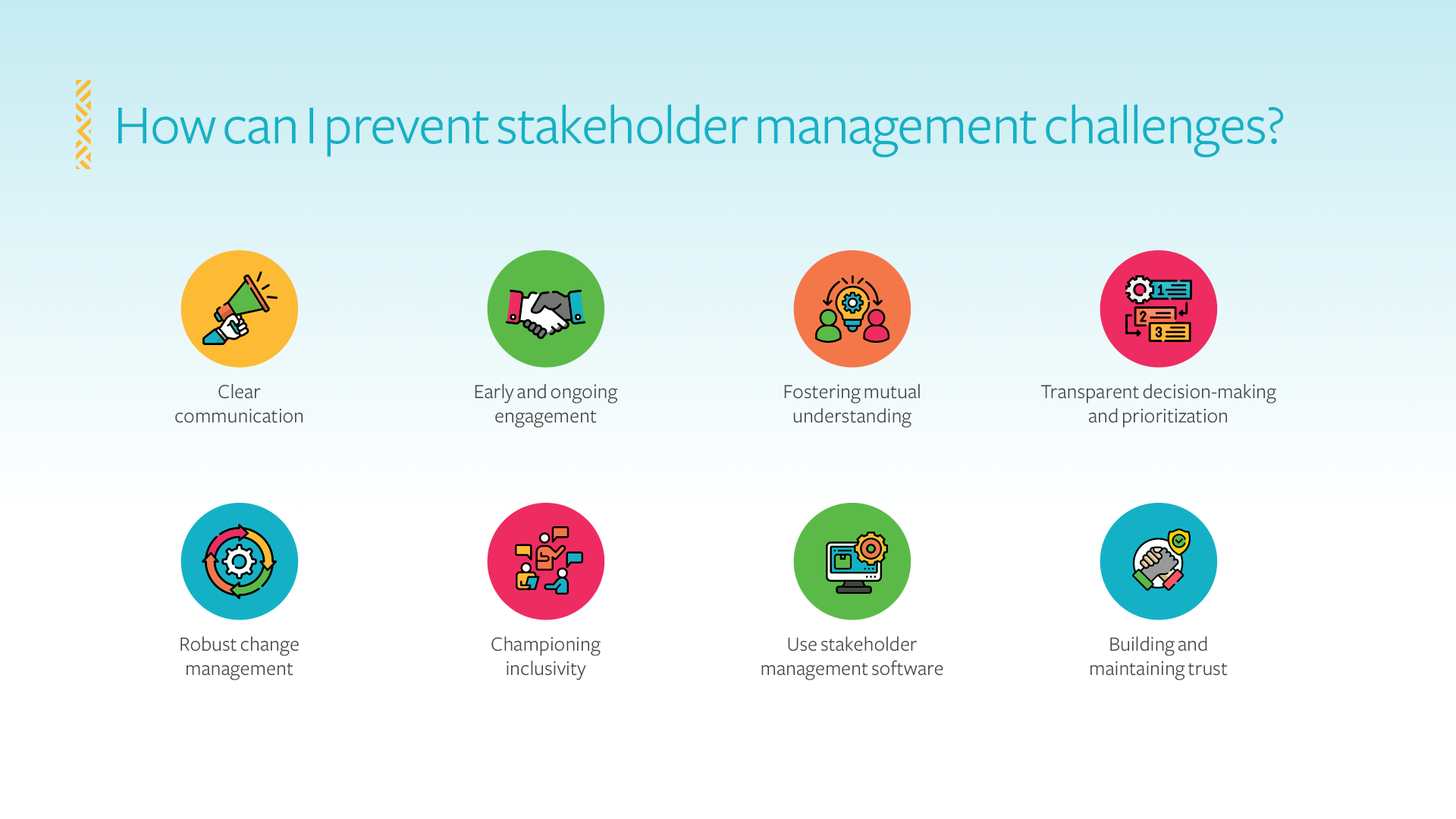
Preventing stakeholder management challenges requires project managers to be both proactive and strategic in their approach. Here are the key actions and best practices to help ensure stakeholder needs are effectively managed and project objectives are achieved:
-
Clear communication
Clear communication is essential. Developing structured communication plans ensures that the right information reaches the right people in an accessible manner. Regular updates, meetings, and the use of visual tools, such as roadmaps, help maintain clarity while preventing information overload.
-
Early and ongoing engagement
Engaging stakeholders early and often is vital to project success. Involving key stakeholders from the outset, regularly updating stakeholder maps, and conducting ongoing consultations and reviews enable evolving interests to be recognized and integrated into the project.
-
Fostering mutual understanding
Fostering mutual understanding through education also plays a key role. Project teams should dedicate time to explaining the project's scope, constraints, risks, and trade-offs in plain language. Using workshops and collaborative sessions helps stakeholders articulate their true needs. Establishing a common definition of success among all parties helps align expectations and ensure a unified approach.
-
Transparent decision-making and prioritization
Transparent decision-making and prioritization frameworks further support effective stakeholder management. These frameworks clarify project trade-offs, ensuring stakeholders understand the rationale behind decisions and the path for escalating unresolved conflicts, often through executive sponsors or steering committees.
-
Robust change management
A robust change management process is critical for managing project evolution. Formal procedures for evaluating and approving changes, combined with open communication about their impact, keep expectations realistic and prevent disruptive surprises.
-
Championing inclusivity
Inclusivity must always be championed. Leveraging technology and engagement tools helps ensure that every stakeholder, not just the most vocal ones, can participate meaningfully in the process. This broadens the feedback base and uncovers valuable perspectives that might otherwise be missed.
-
Use stakeholder management software
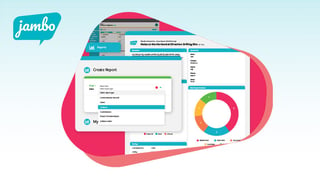
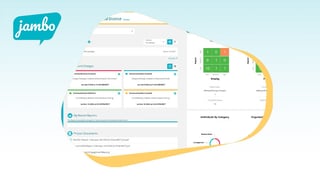
Using stakeholder management software like Jambo can help manage conflicting stakeholder interests by tracking stakeholder expectations, concerns and positions and providing visibility into overlapping or conflicting interests. You can also use the software to log all stakeholder interactions, schedule updates, document issues, risks and resolutions.
-
Building and maintaining trust
Finally, maintaining trust is fundamental. Responding quickly to concerns, honouring commitments, and addressing issues openly and collaboratively sustains stakeholder confidence. By consistently applying these strategies, project managers can significantly reduce the risk of misunderstandings, disengagement, and misalignment, ensuring projects finish on time, on budget, and with strong stakeholder support.

What are the common pitfalls in stakeholder management?
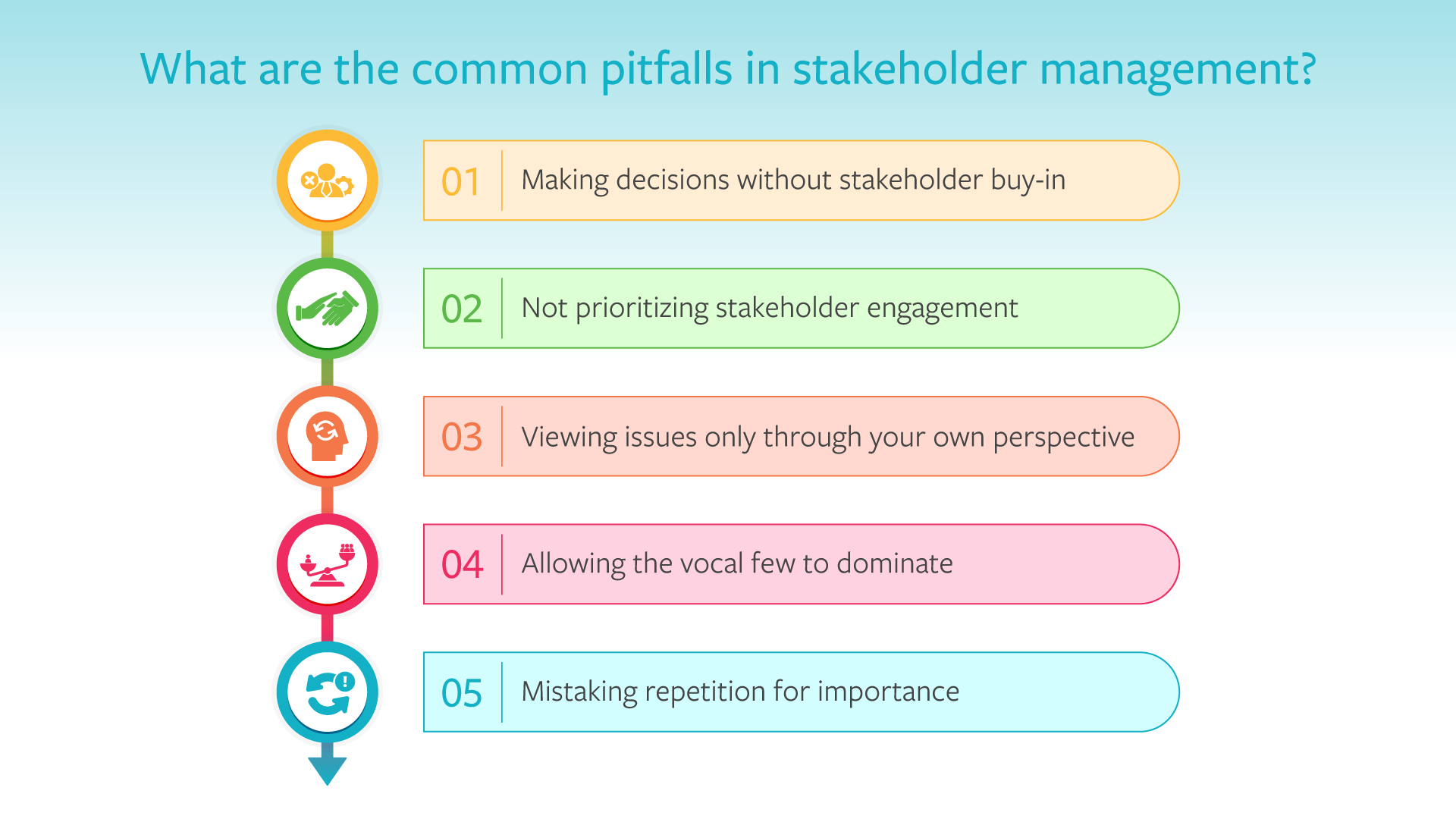
Even well-intentioned stakeholder management can go awry if common pitfalls aren't avoided. Here are some frequent missteps in stakeholder management that can undermine project success.
-
Making decisions without stakeholder buy-in
Failing to involve stakeholders in decisions that impact them undermines trust and support. Even when their preferred outcome isn't chosen, participation increases acceptance. Excluding stakeholders makes implementation harder and fosters resistance.
-
Not prioritizing stakeholder engagement
If stakeholder engagement isn't made a routine and high-priority activity, it quickly falls by the wayside. Proactive, systematic stakeholder involvement is crucial for building lasting buy-in. Sporadic or last-minute engagement leads to weak support and overlooked issues.
-
Viewing issues only through your own perspective
Leaders often mistakenly assume their viewpoint is comprehensive, missing key stakeholder perspectives. Effective stakeholder mapping and early engagement with identified stakeholders can reveal critical and diverse insights. Failing to address this can result in unforeseen challenges and missed opportunities.
-
Allowing the vocal few to dominate
Loud voices can overshadow quieter, but equally important, perspectives, especially in traditional forums. Leaders should ensure equitable participation by removing barriers and leveraging technology to facilitate it. This broadens insight and avoids skewed outcomes.
-
Mistaking repetition for importance
The most repeated opinions aren't always the most relevant or impactful. Unique concerns can gain significance as the group weighs all viewpoints. Utilize prioritization techniques to surface critical issues, not just the loudest or most common.

What can poor stakeholder management lead to?
Poor stakeholder management can significantly impact any project, regardless of its size or industry. Here are some key risks and adverse outcomes that can result when stakeholders are not properly managed:
- Misunderstandings about project requirements and priorities
- Conflicting or divergent stakeholder expectations
- Frequent changes in project scope and priorities (scope creep)
- Delays in decision-making and overall project schedule
- Confusion and misalignment among project team members
- Missed deadlines and increased project costs or budget overruns
- Reduced stakeholder trust and satisfaction
- Higher risk of project failure, rework, or lost opportunities
- Difficulty in achieving consensus or resolving stakeholder conflicts
- Threats to the successful delivery and overall objectives of the project
Discover the tips for excellent stakeholder management and some strategies →
What could lead to project failure in stakeholder management?
Several factors in stakeholder management can lead to project failure, including poor communication, lack of stakeholder engagement, unmanaged conflicting priorities, and failure to address changing stakeholder needs. When stakeholders are not clearly identified, consulted, or aligned with project objectives, misunderstandings and misaligned expectations can cause scope creep, delays, budget overruns, and ultimately, unsuccessful project outcomes.
Transform stakeholder management challenges into project success with Jambo
Jambo brings all your stakeholder management into one platform, mapping priorities, balancing influence, and maintaining consistent engagement across all stakeholders. It easily adapts to changing needs and documents key decisions, ensuring everyone stays aligned and minimizing scope creep.