Creating a strong stakeholder management plan begins with thoughtful stakeholder identification. By identifying stakeholders and analyzing their interests and influence, project teams can strategically engage and communicate with those who matter most. This structured approach helps organizations build support, mitigate risks, increase trust, and navigate challenges more effectively.
If you want to create your first stakeholder management plan or improve your current approach, please take a look at this post. In this guide, you'll learn what a stakeholder management plan is, a proven 7-step framework used in successful projects, and how Jambo stakeholder management software simplifies communication, tracking, and reporting.
What is a stakeholder management plan?
A stakeholder management plan is a formal document that outlines how an organization will identify, engage with, and communicate with individuals or groups who are interested in or can influence a project. Stakeholders can include government agencies and regulators, local communities, Indigenous or Tribal Nations representatives, industry partners, investors, environmental groups, suppliers, landowners, and service providers.
As a core component of the overall project plan, the stakeholder management plan ensures that everyone's expectations are understood and aligned with the project's objectives, reducing the risk of miscommunication and resistance.
How do you create a stakeholder management plan?
A well-designed stakeholder management plan is the foundation for building productive relationships and steering your project toward success. Here's a proven step-by-step approach for developing an effective stakeholder management plan tailored to projects across government, infrastructure, mining, renewable energy, forestry, and healthcare sectors.
Step 1. Set clear objectives
Start by defining what you want to achieve with your stakeholder management plan. Consider why stakeholder engagement is important for your project, the outcomes you hope for, and the degree of support or collaboration required from each stakeholder group. Establishing objectives up front gives your plan a clear direction and helps measure success later.
Step 2. Identify relevant stakeholders
List all stakeholders who are impacted by, have an interest in, or can influence your project. This might include government agencies, regulators, community leaders, environmental groups, landowners, industry partners, suppliers, and Indigenous representatives. Note their organization, location, level of influence, interests, and expectations. You can use stakeholder management software as a reliable database to create profiles for all identified stakeholders.
Step 3. Stakeholder analysis and prioritization
Once identified, perform stakeholder analysis to understand their motivations, influence, and interests. Group stakeholders based on shared characteristics, map relationships to spot key influencers, and assess whether their sentiment is generally supportive, neutral, or opposed to your project. Using an "impact, influence, and interest" framework, rank stakeholders by importance and required attention at each project stage.
Step 4. Interview and understand stakeholder perspectives
Through interviews or surveys, engage your key stakeholders early to uncover their expectations, goals, concerns, and preferred communication methods. Helpful questions include: What are your top priorities for this project? What concerns do you have? How would you like to receive updates? Understanding these perspectives early helps customize your strategy and pre-empt possible conflicts or misunderstandings.
Step 5. Create a stakeholder matrix and develop communication strategies
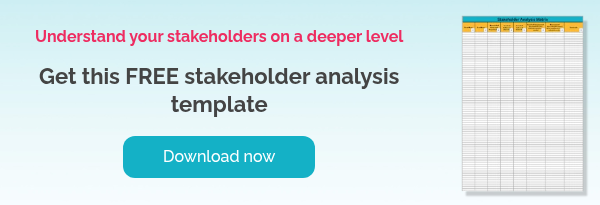
Create a stakeholder matrix to map stakeholders by by their level of interest and influence, helping you prioritize your engagement efforts effectively. Then, develop customized communication and engagement strategies for each group. This ensures stakeholders remain informed and have a voice in the process. Consider:
- Key messages for each stakeholder group
- Preferred communication platforms (email, meetings, community forums)
- Frequency and detail level of updates
- Opportunities for consultation or feedback
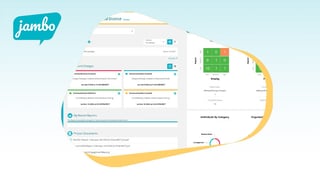
Use Jambo SRM software to track communication, interactions or activities with your stakeholders. The Jambo Sentiment also comes in handy for monitoring the sentiment of each stakeholder's records to better understand their feelings, analyze trends, and identify potential risks in a timely manner. All these help to make more informed planning decisions.
Step 6. Assign resources and responsibilities
Outline what internal resources (staff, time, tools) you'll allocate for stakeholder management. Assign clear roles, such as a stakeholder engagement lead, and clarify who is responsible for communications, responses, and documentation. Consider potential collaborations with parallel teams or existing community engagement processes to streamline resources and avoid duplication.
Step 7. Monitor, report, and adapt
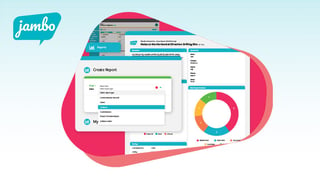
Deploy a system for tracking stakeholder interactions, feedback, actions, and outcomes. Stakeholder management software can simplify this. You can periodically review and report engagement progress to your team and stakeholders as appropriate. Regularly evaluate what's working, update your plan based on lessons learned, and adapt methods or priorities to respond to project or stakeholder changes. You can always create comprehensive reports in seconds using the Jambo management software. Choose whether to build yours using filters or generate pre-built reports.
Creating your plan with Jambo stakeholder management software
Jambo stakeholder management software helps teams create, implement, and maintain an effective stakeholder management plan. Jambo enables you to easily manage stakeholders, log every interaction, and organize crucial notes and documents in a secure, centralized platform. Purpose-built for industries such as government, infrastructure, mining, energy, forestry, and healthcare, Jambo empowers your team to collaborate seamlessly, simplify stakeholder reporting, streamline stakeholder engagement data management, enhance transparency, and increase project success.